📰 Getting informed
- Media landscape
- Fact-checking
- Images, videos, and deepfakes
- Social media and firsthand sources
- Supporting reporting
Media landscape
No outlet is fully neutral, but some are more transparent than others. When consuming news, consider:
- Who owns or funds the outlet
- Where the reporting comes from, local, regional, international
- What you are reading, reporting, analysis, or opinion
Useful tools
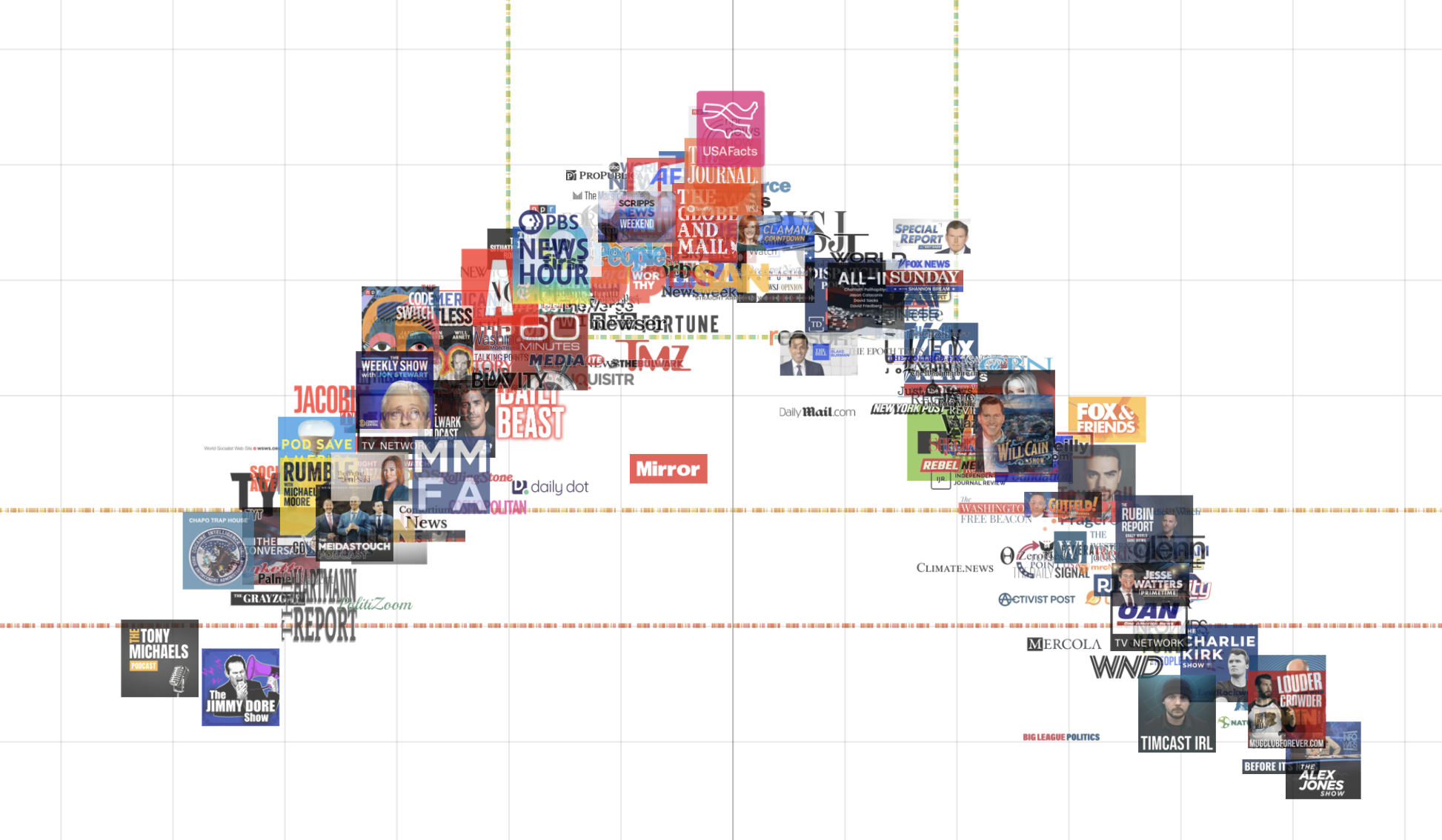
Ad Fontes Media Bias Chart
Visual overview of news outlets by reliability and political bias, based on transparent methodology.
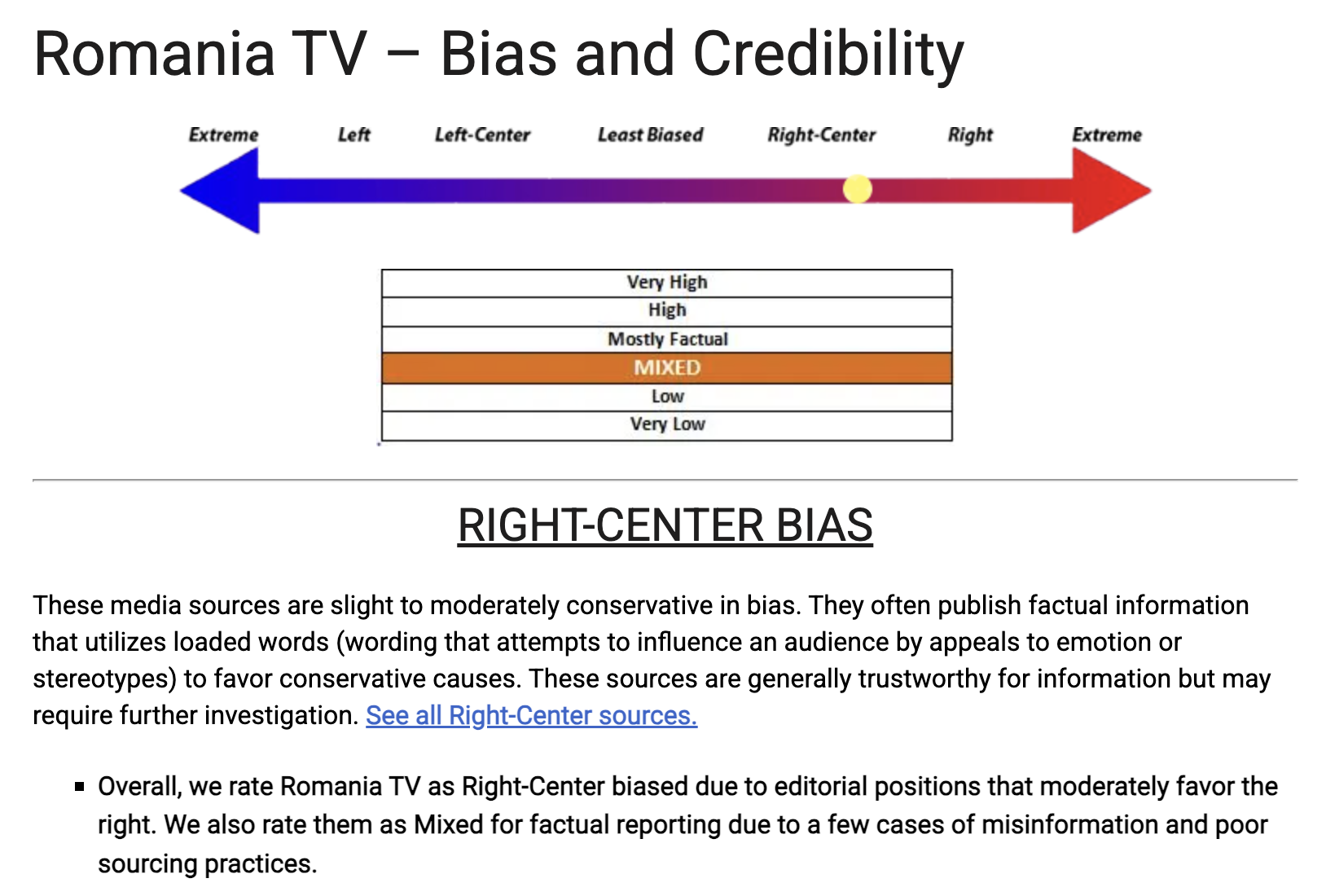
Media Bias Fact Check
Summaries of outlet bias, sourcing, and factual accuracy. Useful as a starting point, not a final authority.

Wikipedia
Ownership, political alignment and funding sections can be useful in identifying context, parent companies, editorial history.
Fact-checking
- Look for primary sources, documents, raw footage, direct statements - Check dates, locations, and original context - Be cautious with content designed to provoke urgency or outrageUseful tools



Images, videos, and deepfakes
- Check whether the content appeared earlier in a different context
- Look for missing metadata, cropped frames, or altered audio
- Be especially cautious during breaking news and crises
Useful tools

Google Reverse Image Search / Google Lens
Find earlier uses of images and identify reused or miscaptioned visuals.


Social media and firsthand sources
Individual accounts can provide valuable information, but should be treated as sources, not conclusions.
- Distinguish original posts from reposts
- Look for consistency over time
- Seek corroboration from independent sources
- Be cautious with anonymous or newly created accounts during crises
- ⚠️ Remember ⚠️ Visibility does not equal reliability.